School of Music
Providing outstanding education and performance opportunities to both majors and non-majors and enriching the campus and local communities through an extensive schedule of public recitals and concerts.
Our internationally recognized and awarded faculty are the core of our programs and the student experience.
The School of Music hosts nearly 500 open-to-the-public performances each year, and you are invited to join us!
Musical Experience and Study Areas span instruments and domains to provide diverse opportunities for scholarship.
Forge your future
Balance serious music study with enriching student experiences that prepare you for a career. At Penn State, you will find the ideal match between the wealth of opportunities found in a B1G university and the individualized attention provided in the intimate environment of our School of Music.
Students choose from a wide range of areas of study and benefit from individualized instruction by dedicated faculty whose teaching and performance experience spans the world. Both majors and non-majors have the opportunity to participate in numerous ensembles, ranging from small chamber groups to the marching Blue Band.
The Penn State School of Music – pursue your passion, nurture your talent, and prepare to take on the world.
Contact
School of Music
233 Music Building
University Park, PA 16802
814-865-0431
814-865-6785 (fax)
music@psu.edu
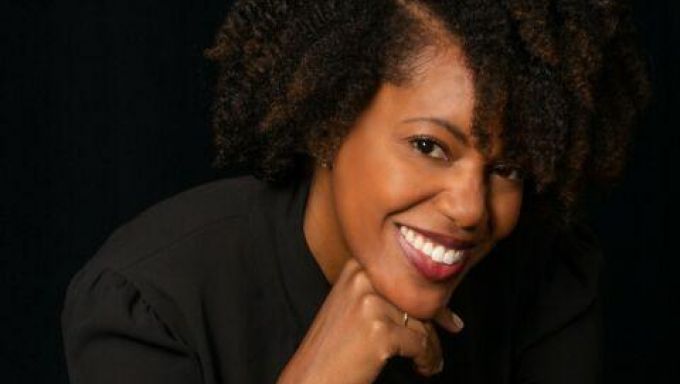
Ann Marie Stanley
Director, School of Music
Connect
Administrative Inquiries
- Undergraduate Recruitment: Ashley Shank
- Audition Scheduling: Jesse Moore
- Assoc. Director Undergraduate Studies: Eric McKee
- Graduate Admissions: Lacy Miller
- Assoc. Director Graduate Studies: Rachel Copeland
- Assoc. Director Faculty Development and Research/Creative Activity: Marica Tacconi
- Assoc. Director Diversity, Equity, and Inclusion: Velvet Brown
- Asst. Director Facilities/Engagement/Outreach: Russell Bloom
- Recital Hall Manager: Chris Wahlmark
- Event Parking: Penn State Transportation Services

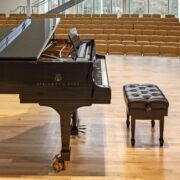
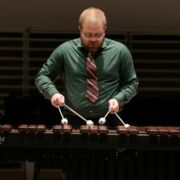
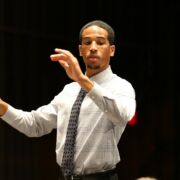
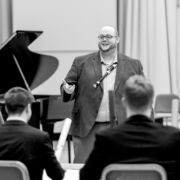

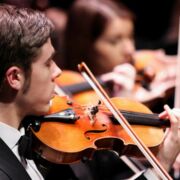
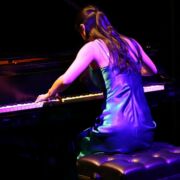
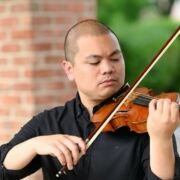
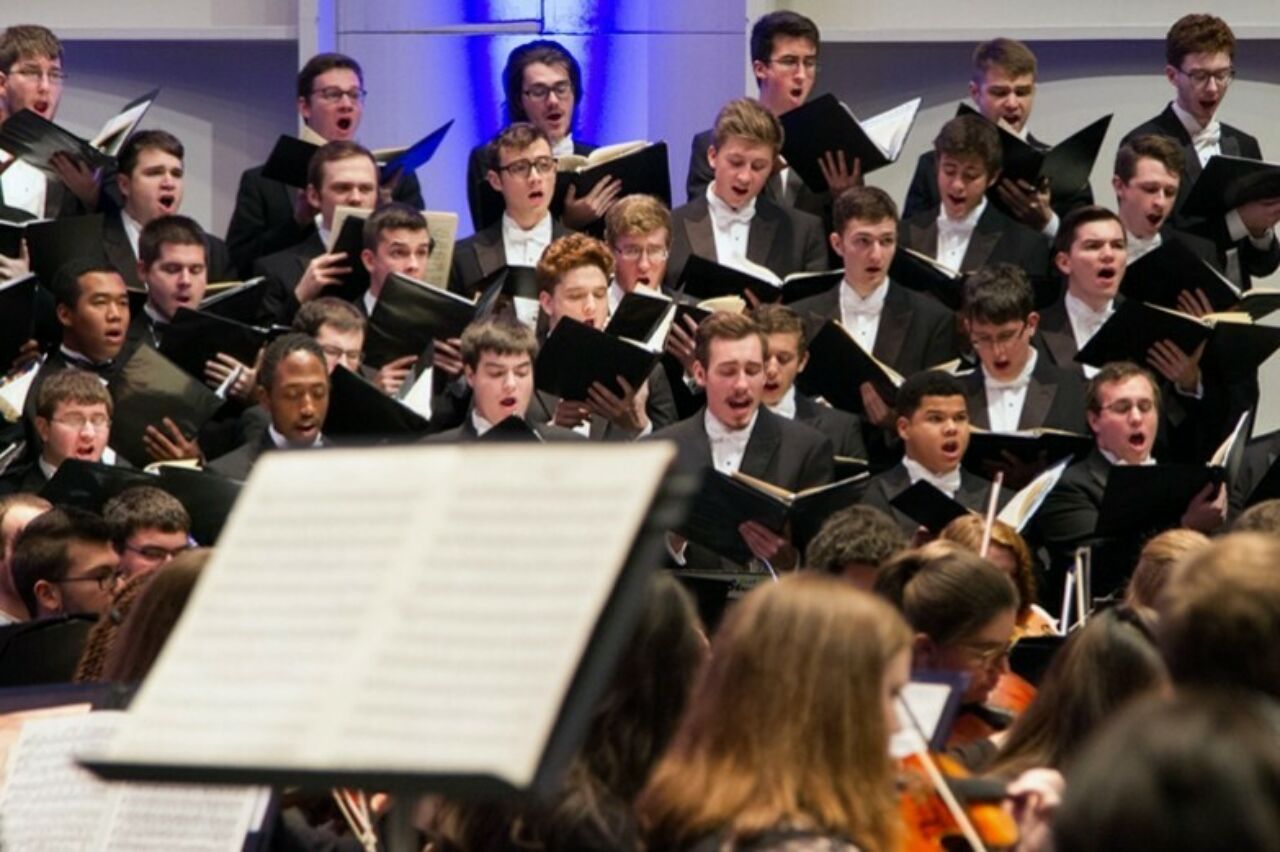
Enriching the experience!
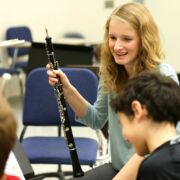
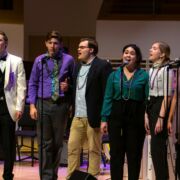
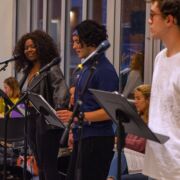
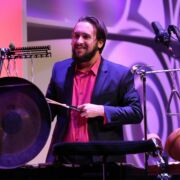
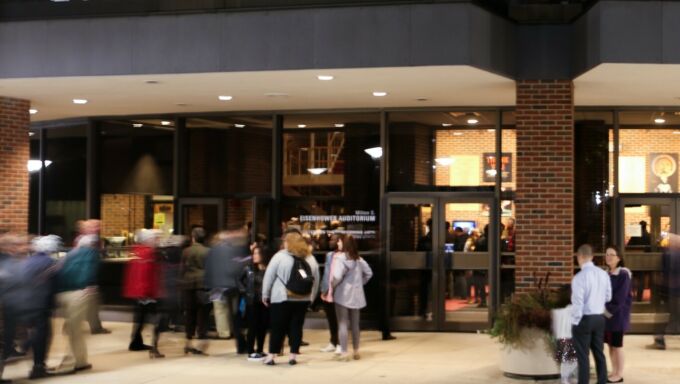
Beyond preparing students to develop and thrive as performers, teachers, and scholars, the School of Music offers more than 400 public events each year, and we also hear wonderful performances presented by the Center for the Performing Arts.
In addition, Penn State ensemble students regularly perform in the greatest concert venues on the east coast with our annual President’s Concert series. Expansive performance, research, and outreach opportunities are integral to the School of Music, and enrich the student experience.
Ensembles
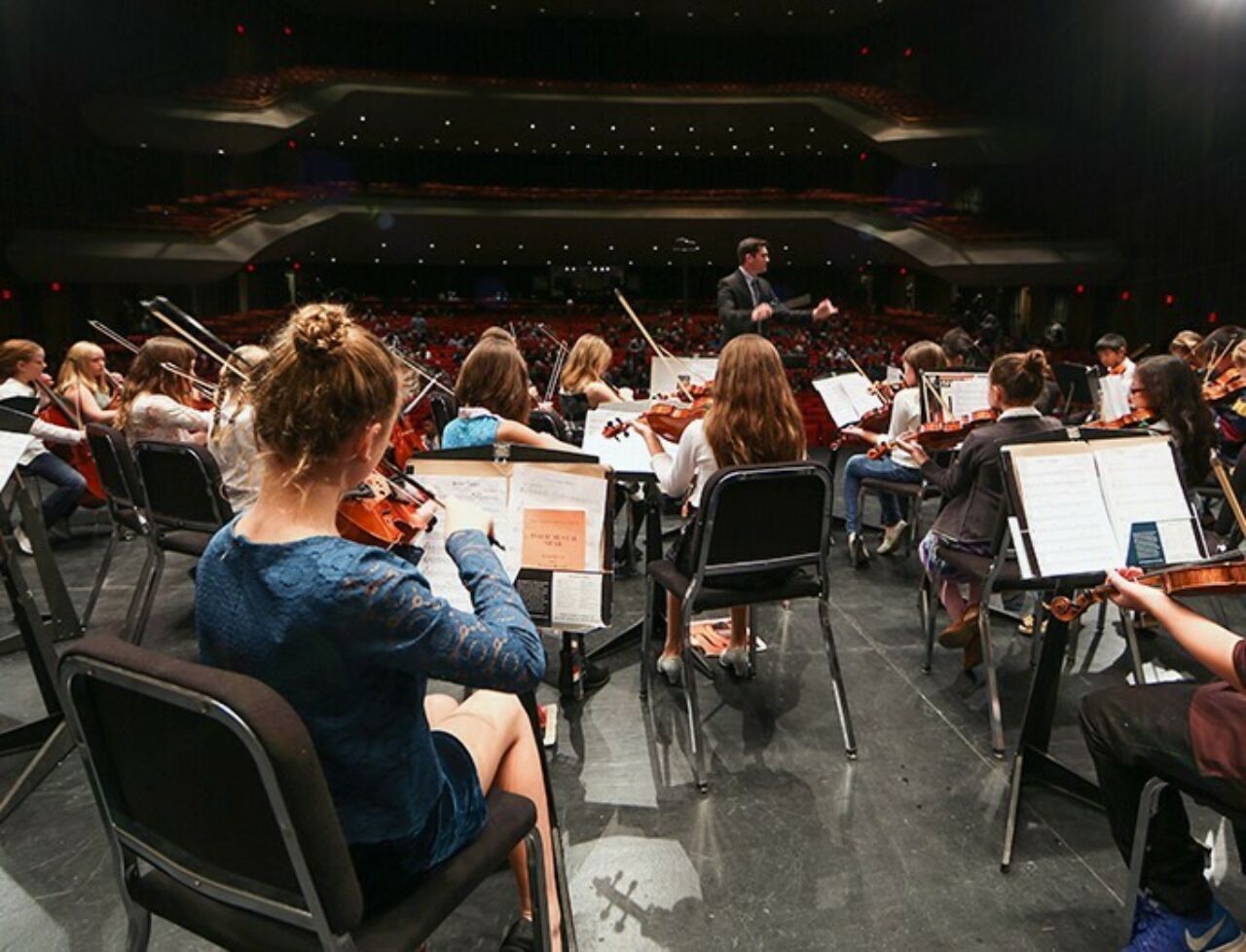
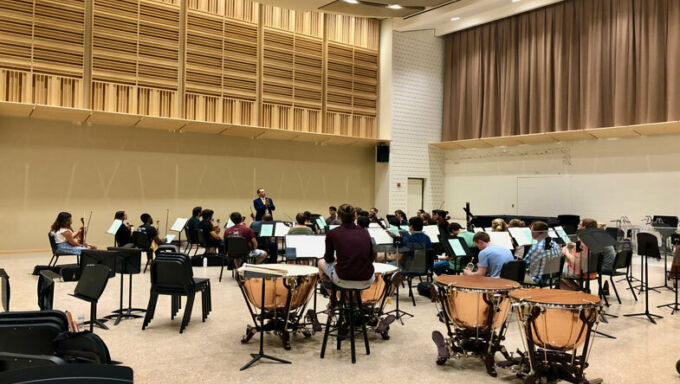
School of Music ensembles, ranging from small chamber ensembles to large orchestras, bands, and choirs are open to all Penn State students, regardless of major. Participants receive one academic credit per semester. These credits fulfill General Arts credits in many colleges and majors. Graduate credit (500-level) may be granted in select ensembles at the discretion of the director/conductor.
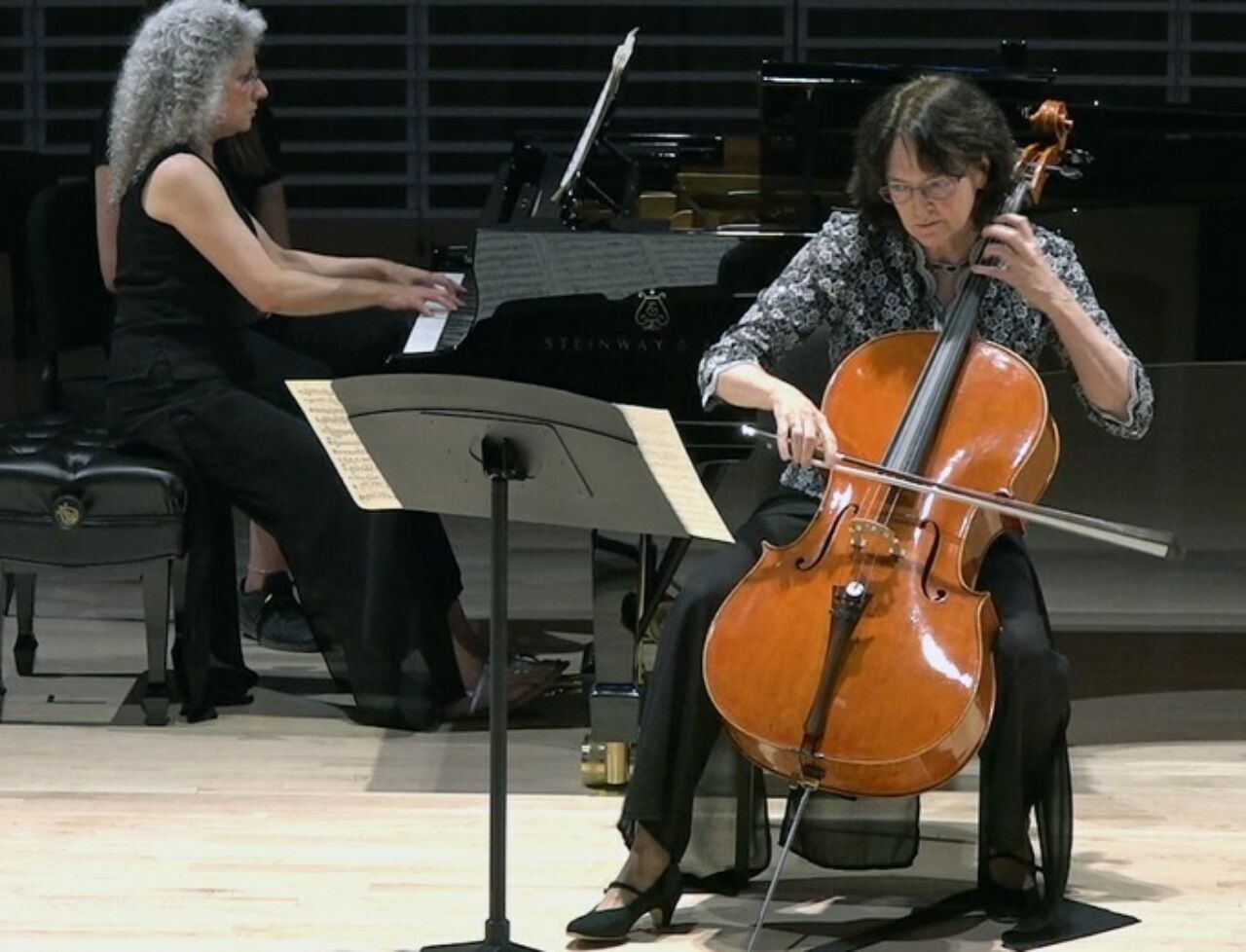
The School of Music also includes a number of faculty ensembles that perform and record extensively, both in the United States and abroad. These ensembles are often invited to perform at professional association meetings and in educational settings.
Opportunities for Non-majors
Non-majors can take music classes or audition for ensembles and private lessons.
Research
The School of Music scholarly community seeks to foster an environment of passionate curiosity informed by scholarly rigor. While our research areas are quite diverse, the primary themes tend toward musical expression and development, processes of music learning and teaching, deeper understanding of past musical practices, and global perspectives.
The Penn State School of Music has a tradition of research excellence across a wide range of disciplines including music theory, musicology, music education, composition/technology, and performance. Our faculty are highly regarded scholars and performers who share their research and creative expertise in professional journals, conferences, and performance venues throughout the world. The School of Music provides many opportunities for students to collaborate with the faculty as well as to receive guidance for independent research.
Engagement
The School of Music’s engagement activities include ongoing concert series presented in the community and throughout the mid-Atlantic region, annual conferences and workshops designed for music professionals, and summer experiences designed for professional musicians as well as for developing performers.
Our concert series include the President’s Concert, an annual event showcasing our best performers in the mid-Atlantic region’s most esteemed concert halls. Beginning in 2007 with a concert hosted by the the University president at Heinz Hall in Pittsburgh, Penn State students have performed at the Kimmel Center in Philadelphia, the Strathmore Centre in Bethesda, MD, the Kennedy Center for the Performing Arts in Washington, DC, and at Carnegie Hall in New York. Closer to home, student performers are welcomed at the Village at Penn State retirement community series and also perform on weekly “Bach’s Lunch” concerts held each Thursday in Eisenhower Chapel on campus.
Coordinated by the music education faculty, the Thompson Symposium provides a forum for masters-level music education students to share their completed and in-progress research with graduate students, faculty, and the general public. Voice faculty members present their hugely popular workshop “Bel Canto/Can Belto” typically in August, and our keyboard faculty coordinate the annual Marian Garcia Piano Teacher’s Workshop and Competition typically held in during the fall semester.
Convening each July, the Penn State Honors Music Institute is a one-week immersion in the art of music designed for highly qualified high school musicians. For professional musicians, the Penn’s Woods Music Festival is a two-week resident orchestra and chamber music festival that presents numerous concerts each June. In addition, School of Music students and faculty regularly perform and present their scholarly work throughout the country and the world.

alumni spotlight
Luke Nosal
Luke Nosal is the assistant conductor of the Queer Urban Orchestra in New York City. As a conductor and queer advocate, Nosal is known for leading ensembles with an eclectic style, dynamic interpretation, and deep passion while always using their platform to give visibility to issues in the LGBTQA community. In addition to a Bachelor of Music, Nosal earned a P.P.C. Orchestral Conducting in 2019.
Faculty Spotlight
See all our Faculty.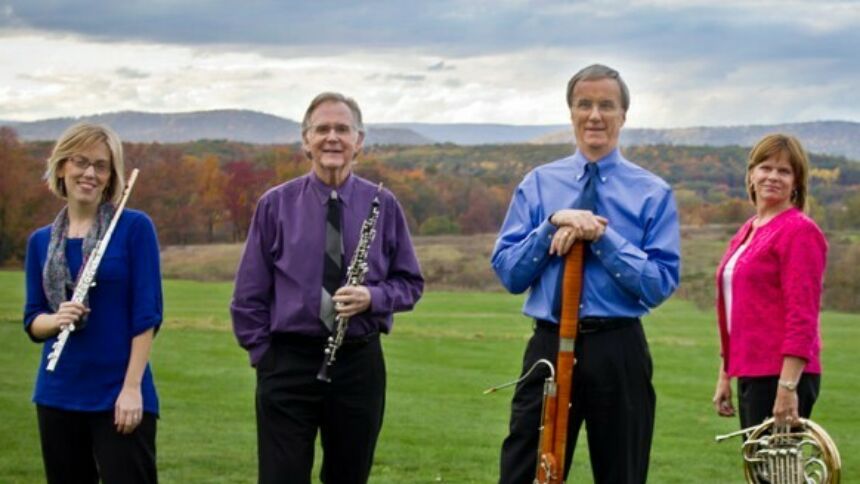
faculty spotlight
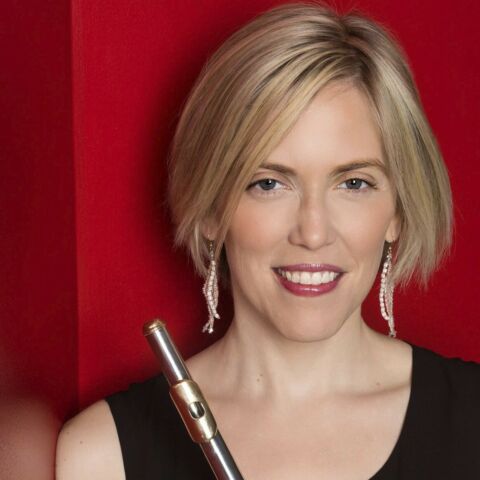
Naomi Seidman
Assistant Professor Naomi Seidman joined the School of Music faculty in 2012. An accomplished solo performer, she has won the Mid-South Flute Competition and the Frank Bowen Young Artist Competition, and was first runner-up in the Myrna Brown Young Artist Competition. She was also a semi-finalist in the Beijing Nicolet International Flute Competition. She has performed as a soloist with the Pennsylvania Centre Orchestra, Santa Fe Symphony, Kingsville Symphony, and Ballet Austin. She has also been an invited performer, judge, and presenter at National Flute Association (NFA) conventions and is a member of the NFA Cultural Outreach Committee.